Why Your Furnace Is Leaking Water: A Guide for Elyria Homeowners
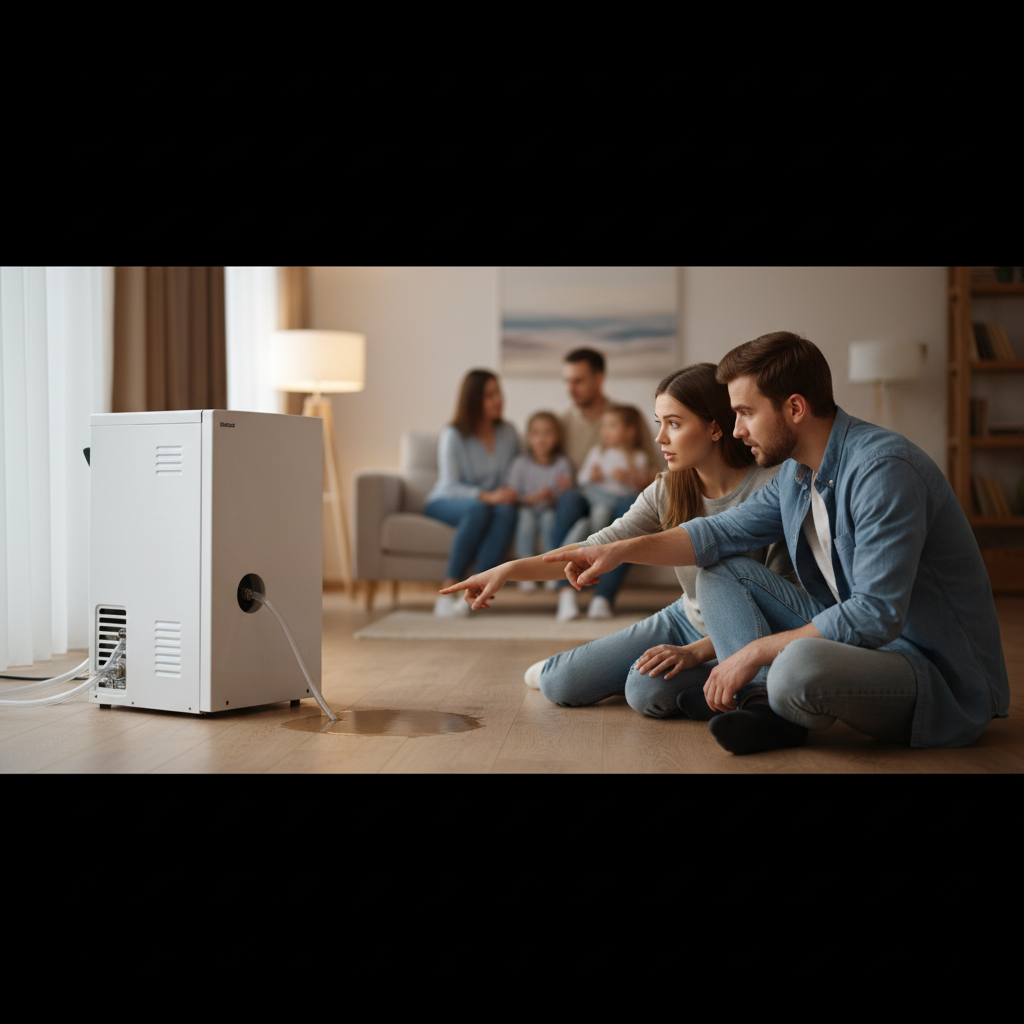
Walking into your basement or utility closet and seeing a puddle of water around your heating system can be an alarming experience. In Northeast Ohio, where temperatures can swing from mild to freezing in a matter of hours, we rely heavily on our HVAC systems to keep us safe and comfortable. If you notice moisture pooling at the base of your unit, you might be wondering how a machine designed to create heat is producing water.
Finding water around your furnace doesn't always mean you need a complete system replacement, but it is a sign that something requires immediate attention. Ignoring a leak can lead to floor damage, mold growth, and eventually, a total system breakdown. At B Rico Mechanical, LLC, we believe in empowering homeowners in Elyria, Lorain, Avon, North Ridgeville, and Amherst with the knowledge they need to protect their homes.
In this guide, we will explore the common causes of furnace leaks, the difference between high-efficiency and standard-efficiency systems, and what steps you should take to resolve the issue.
Understanding High-Efficiency vs. Standard Furnaces
The first step in diagnosing a water leak is identifying what type of furnace you have. The reason for the leak often depends on the efficiency rating of your unit.
High-Efficiency Condensing Furnaces
If your furnace has an Annual Fuel Utilization Efficiency (AFUE) rating of 90% or higher, it is considered a high-efficiency condensing furnace. These units are designed to extract as much heat as possible from the fuel they burn. During the combustion process, these furnaces produce exhaust gases that travel through two heat exchangers. As the gases cool, they turn into liquid water, known as condensate.
Because this process is a normal part of operation, high-efficiency furnaces have a built-in drainage system to carry this water away. If you see water leaking from one of these units, it usually means there is a blockage or a failure in the condensate management system.
Standard-Efficiency Furnaces
Standard furnaces (usually with an AFUE rating of 80% or lower) do not produce condensate as part of the heating process. The exhaust gases in these systems stay hot enough to remain in a gaseous state as they exit through a metal flue pipe. If you have a standard furnace and see water, the leak is likely coming from a different source, such as a built-in humidifier or a nearby air conditioning component.
If you are unsure which type of system you have, our team can help with a comprehensive heating system inspection to identify your equipment and any potential vulnerabilities.
Common Causes of Furnace Leaks
Now that you know how your furnace handles moisture, let’s look at the most frequent culprits behind those mysterious puddles.
1. Clogged Condensate Drain Lines
This is perhaps the most common reason for a furnace leak in high-efficiency systems. As the furnace runs, the water it produces flows through a PVC drain pipe into a floor drain or a condensate pump. Over time, dust, dirt, and microbial growth (sludge) can build up inside these thin plastic lines.
When the line becomes fully blocked, the water has nowhere to go and backs up into the furnace cabinet, eventually spilling out onto your floor. Regular preventative maintenance is the best way to keep these lines clear and prevent unexpected water damage.
2. Issues with the Condensate Trap
Condensing furnaces use a "trap" (similar to the P-trap under your kitchen sink) to prevent combustion gases from entering your home through the drain line while still allowing water to flow out. If this trap becomes clogged with debris or sediment, the water will back up. In some cases, the trap itself can develop a crack, leading to a slow, steady drip beneath the furnace.
3. A Malfunctioning Condensate Pump
If your furnace is located in a part of the basement where there is no floor drain nearby, it likely uses a condensate pump. This small reservoir collects the water and pumps it through a tube to a remote drain or utility sink. If the pump fails due to a mechanical breakdown or a float switch getting stuck, the reservoir will overflow.
4. Leaking Humidifier
Many homeowners in Elyria and North Ridgeville choose to add a whole-home humidifier to their HVAC system to combat the dry air of Ohio winters. These units are often attached directly to the furnace and require a constant water supply. If the humidifier’s internal pad is clogged, the solenoid valve is sticking, or the water feed line is cracked, it can mimic a furnace leak.
Checking your humidifier is a great first step if you have a standard-efficiency furnace, as this is a frequent source of "phantom" furnace leaks. Maintaining these systems is part of a complete strategy for improving indoor air quality throughout the year.
5. Improperly Sized Vent Pipe
For standard-efficiency furnaces, water can sometimes appear due to "flue gas condensation." If the metal exhaust pipe (the flue) is too large for the furnace, the hot gases may cool down before they reach the outdoors. As they cool, they turn back into liquid and run down the inside of the pipe, leaking out at the joints where the pipe connects to the furnace.
What to Check First: A Homeowner's Checklist
If you discover a leak, try not to panic. Follow these steps to assess the situation before calling for a professional repair.
- Turn off the system: Locating the power switch near the furnace or turning the system off at the thermostat can prevent further water production while you investigate.
- Check the air filter: It might sound unrelated, but a severely clogged air filter can cause various issues with airflow that affect how the system manages moisture.
- Inspect the drain line: Look at the PVC pipe coming out of your furnace. Is there visible water backing up? If the end of the pipe goes into a floor drain, make sure the floor drain itself isn't the problem.
- Look at the condensate pump: If you have one, check if the reservoir is full. Some pumps have an "overflow" safety switch that will shut the furnace down if it gets too full, but these can fail.
- Check the humidifier: If you have a humidifier mounted on your ductwork, check the water lines and the bottom of the humidifier casing for signs of active dripping.
The Danger of Ignoring a Furnace Leak
While a small puddle might seem like a minor inconvenience, water and HVAC components do not mix well. Inside your furnace are sensitive electronics, sensors, and the blower motor. Continuous exposure to moisture can lead to:
- Component Corrosion: Water can rust out the heat exchanger or the base of the furnace, potentially shortening the lifespan of your unit.
- Electrical Shorts: Moisture can ruin circuit boards and wiring, leading to more expensive repairs than a simple drain cleaning.
- Mold and Mildew: In the damp environment of a basement or utility closet, a leak can quickly foster mold growth, which then gets circulated through your vents, impacting your home's air quality.
- Structural Damage: Over time, standing water can damage subfloors, finished basement flooring, and drywall.
When to Contact B Rico Mechanical, LLC
Some HVAC issues are simple DIY fixes, like changing a filter or clearing a surface-level clog in a floor drain. However, most furnace leaks involve internal components that require specialized tools and knowledge to repair safely.
You should contact B Rico Mechanical, LLC if:
- The leak is coming from inside the furnace cabinet where electrical components are located.
- You have cleared the external drain line, but the water continues to pool.
- Your furnace is making unusual noises or "cycling" (turning on and off rapidly) in addition to the leak.
- You suspect an issue with the heat exchanger or vent piping.
- You have a standard-efficiency furnace with water leaking, as this could indicate a serious venting issue or a cracked internal component.
Our technicians are experienced in diagnosing issues with all types of heating equipment, including modern heat pump systems and high-efficiency gas furnaces. We serve the entire local area, including Elyria, Lorain, Avon, North Ridgeville, and Amherst, ensuring your home stays dry and warm.
Preventing Future Leaks with Routine Maintenance
The best way to handle a furnace leak is to prevent it from happening in the first place. This is why we recommend annual professional maintenance for every homeowner in Northeast Ohio. During a seasonal tune-up, a technician will:
- Clear and flush the condensate drain lines and traps.
- Test the condensate pump for proper operation.
- Inspect the humidifier and replace the water panel.
- Check the integrity of the vent piping and flue.
- Ensure the heat exchanger is functioning safely.
Regular maintenance doesn't just prevent leaks; it also improves Energy Efficiency and extends the life of your equipment. Whether you have a traditional gas furnace or an eco-friendly geothermal system, keeping the system clean is the key to reliability.
Reliable Heating Services in Northeast Ohio
If you are dealing with a leaking furnace or any other heating trouble, B Rico Mechanical, LLC is here to help. We understand the specific challenges that homeowners in Elyria and the surrounding communities face during the winter months. Our goal is to provide clear answers, professional service, and a comfortable home environment for you and your family.
Don't let a small leak turn into a major headache. From water heater services to complex furnace repairs, we have the expertise to get the job done right.
Contact B Rico Mechanical, LLC Today
If your furnace is leaking or if you simply want to ensure your system is ready for the upcoming season, reach out to us. We serve Elyria, Lorain, Avon, North Ridgeville, and Amherst.
Phone: (440) 309-9709 Email: brico@bricomechanical.com